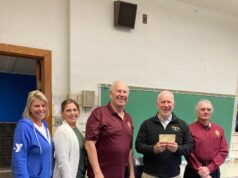






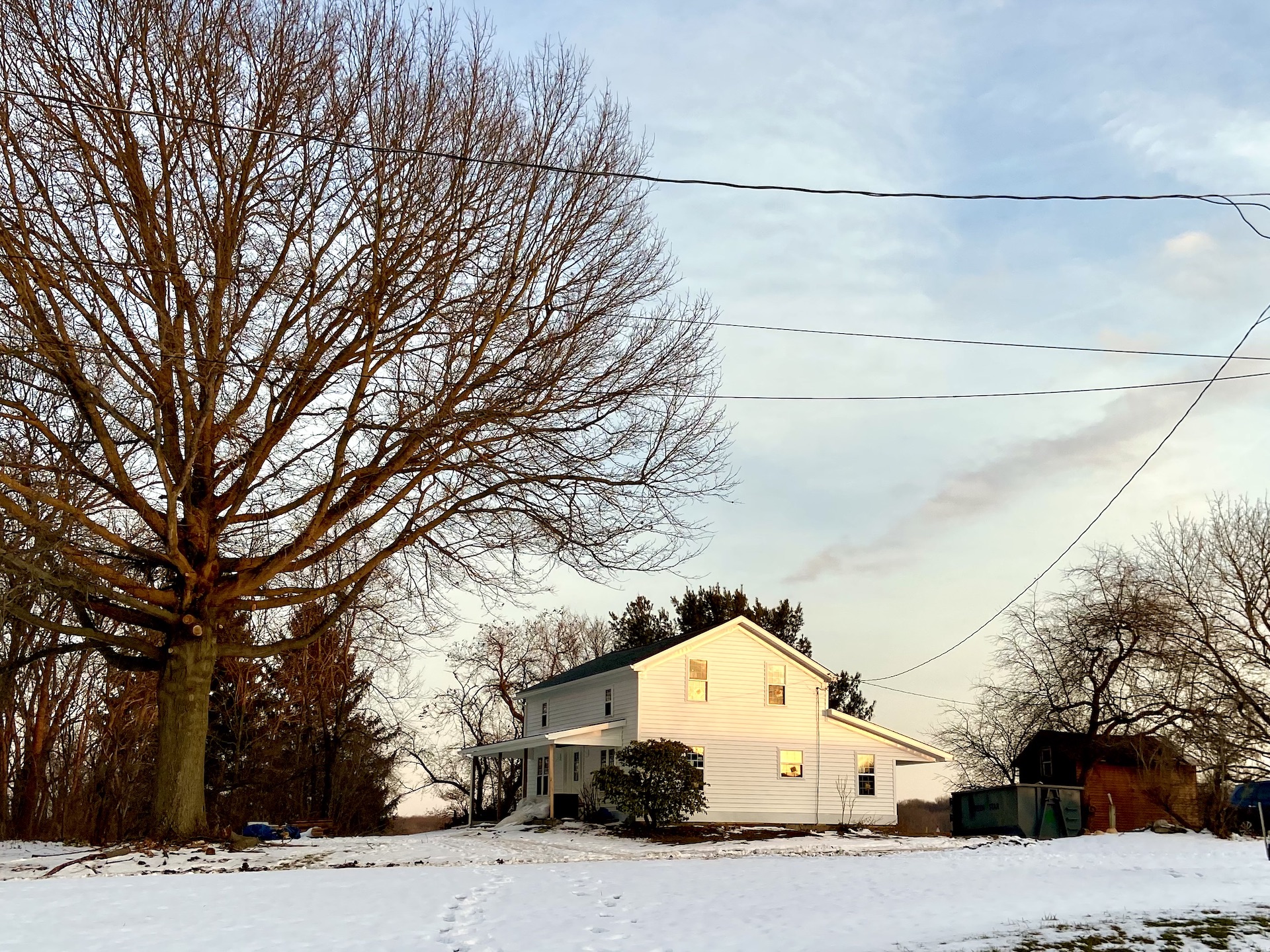
Thanks to farmland preservation funds, Dave and Polly are now renovating the two-story farmhouse on Hankee Road into a modernized dwelling. The house has been gutted and reconfigured to provide more first-floor living space. But someday, it will be a sellable farmhouse to augment the acreage, which now carries the promise of remaining a working farm forever.
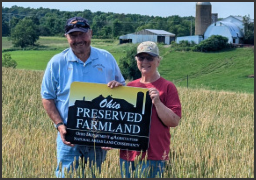
As they breathe new life into the farmhouse, the Winchells are also breathing a shared sigh of relief. The treasured farm heritage they have carried forward since the farm was first established in 1835 by New Hampshire pioneer Albert Gage is now safe from a potential partitioning and a developer’s wrecking ball, as has become the fate of so many other historic Portage County farms.
The Clean Ohio Local Agricultural Easement Purchase Program (LAEPP) is managed by the Ohio Department of Agriculture (ODA). It began protecting the Winchell Family Farm in 2024, providing dedicated funding following a four-year application process.
An agricultural easement in Farmland Preservation is a voluntary agreement between the landowner and ODA, where the landowner agrees to perpetually maintain the land in agricultural use. In exchange, the landowner is either compensated or receives a tax deduction. In partnership with ODA, Western Reserve Land Conservancy and Natural Areas Land Conservancy helped to secure the Winchell Family Farm agreement.
Since the Office of Farmland Preservation began in 1998, 745 Ohio farms totaling 109,341 acres have entered into preservation agreements in cooperation with landowners, local government, soil and water conservation districts, and land trusts.
The landowners can then use the funds from the purchase of these easements to expand their farming operations, purchase new equipment, reduce debt, implement conservation practices, plan for retirement, send their children to college, or renovate buildings. When the state purchases a farmland easement, Ohio’s agriculture industry is sustained for future generations.
“Now that we have been accepted into the farmland preservation program, we are so proud and happy that this farm will be here forever,” Polly shares through tears. “So the next logical step for us was to make it so that people want to be here; to fix the house up and make it possible so they can live and farm here.”
Meanwhile, the Winchells will get to enjoy a ‘new’ house with a 175-year history. They are preserving the architecture and memories attached to this old farmhouse, now with new walls, wiring and plumbing.